You came here for a straight answer, so here it is: for most solo travelers, on the main tourist routes, Pakistan is safe enough, and it’s far more welcoming than its reputation suggests. But “safe enough” isn’t “risk-free,” and anyone who tells you otherwise is selling something.
I’m a Pakistani tour guide, and I’d rather you arrive with accurate expectations than a glossy brochure. So this guide covers what can actually go wrong, which regions are comfortable for solo travel, what women should know, and the rules I’d follow if I were in your shoes.
Quick Answer: Is Pakistan Safe for Solo Travel?
Yes, if you stick to established routes (Islamabad, Lahore, Hunza, Skardu, Naran Kaghan), plan ahead, and take local advice seriously. The bigger risks for a solo traveler are usually roads, weather and overconfidence, not crime. Parts of Balochistan and the border areas near Afghanistan are a different story and should be avoided.
What the Real Risks Are
Let’s skip the vague “stay alert” advice and name them.
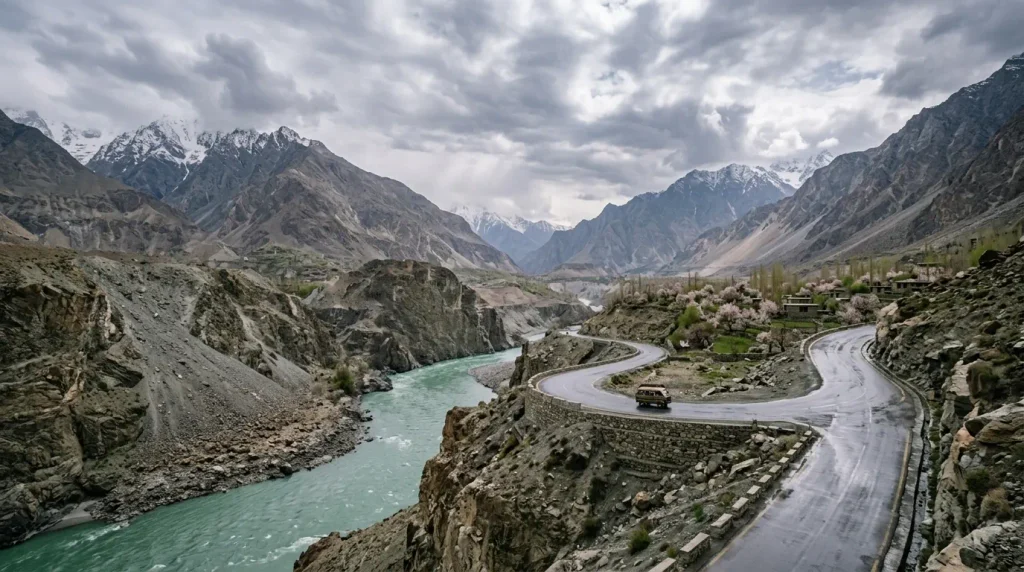
Roads. This is the one that surprises people. Mountain highways are long, narrow and winding, and driving standards can be rough. Landslides after rain can close a road for hours or days. Don’t drive at night, don’t push to “just make it” before dark, and build buffer days into your plan.
Weather and altitude. Flights to Gilgit and Skardu get cancelled when clouds sit low. Passes like Babusar Top and Khunjerab are seasonal. Above 3,000 meters, altitude sickness is real, so go up gradually and drink water.
Petty theft and overcharging. Bag snatching is uncommon in tourist areas but happens in crowded city markets. Overcharging is more common, especially with unregistered guides and drivers. Agree on prices before you move.
Security. Pakistan has experienced militant attacks in the past, mostly aimed at security forces, markets or religious gatherings, and the situation has improved in recent years. The risk on tourist routes is low, but it’s not zero, and it changes by region. Read your government’s travel advice before you book.
Health. Stick to bottled or filtered water, be careful with street food on day one, and talk to a travel clinic about vaccines before you fly.
One practical point most blogs skip: some governments advise against travel to parts of Pakistan, and certain insurers exclude countries under those advisories. Check that your policy actually covers you here, including mountain evacuation, before you pay for anything.
Where Is Safe for Solo Travel? A Region-by-Region Guide
Think of it as a traffic light. Conditions change, so confirm locally before you go.
Green (comfortable for most solo travelers)
- Islamabad: calm, green, well-organized, easy for a first night.
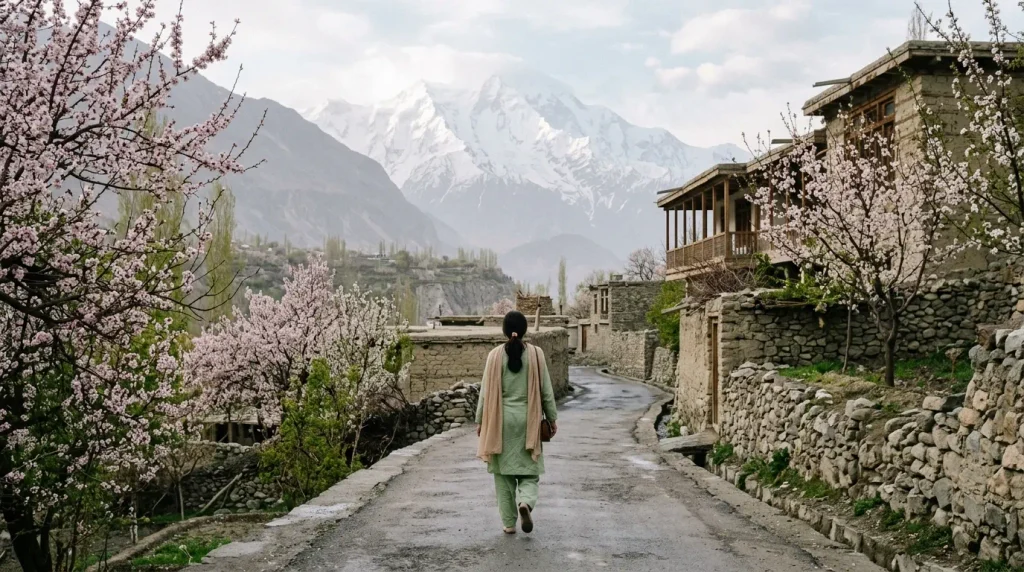
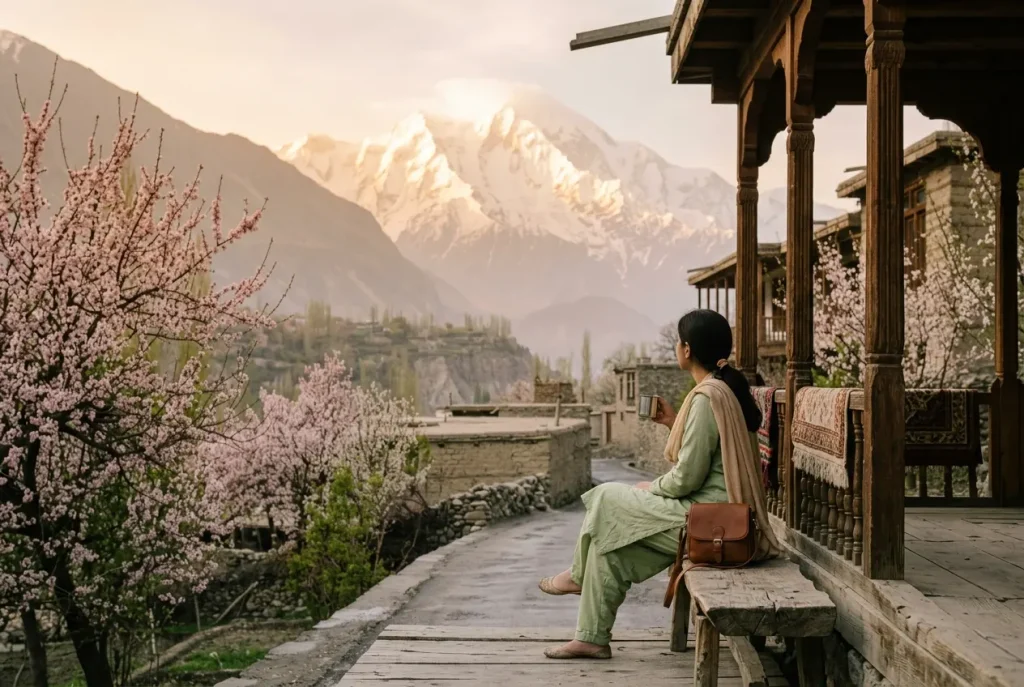
- Hunza and Karimabad: used to visitors and consistently rated one of the most relaxed bases in the country.
- Skardu: popular and welcoming, but use a guide for remote lakes and treks.
- Naran Kaghan (summer): busy with domestic tourists, so you’ll rarely be alone.
- Lahore: safe for tourists who use ride apps and avoid late-night wandering in crowded areas.
Yellow (doable, with extra care)
- Karachi: huge and uneven. Stay in central areas, use ride apps, and arrange airport pickups.
- Swat, Chitral and Kalash: beautiful and widely visited, but check current conditions and local advice first.
- Remote treks and high passes: go with a registered guide, not alone.
Avoid
- Interior Balochistan, areas near the Afghan border, and any region needing a special permit you don’t have. Our NOC guide explains where permits apply.
In remote areas you’ll pass police checkposts where tourists are asked to register. It’s routine, usually quick, and meant to track visitor movement for safety.
Pakistan Safe for Solo Travel Female: What Women Should Know
This is the most common question I get, so let’s be direct. Solo travel for women in Pakistan is possible and increasingly common, but it comes with a different experience than a man’s.
You’ll get more attention: stares, photo requests, questions about why you’re traveling without a family. Mostly it’s curiosity. Dress modestly (a shalwar kameez is cheap and easy to buy on arrival), and it fades fast.
Is it safe for a white woman to travel to Pakistan? Foreign women typically meet a mix of curiosity and protectiveness. People often go out of their way to make visitors feel welcome and to challenge the stereotypes.
Harassment can happen, mostly in crowded city spaces. Speak up loudly and publicly. Bystanders usually step in.
If you don’t want to go entirely alone, you don’t have to. Search for female travel groups focused on Pakistan on Facebook, browse r/ExplorePakistan, or search “Pakistan solo female travel Reddit” for recent trip reports. Small-group departures also work well: you travel solo but with company.
And why Pakistan should be on every solo female traveler’s list? Mountains that few people see, food that will wreck your diet plans, history older than most countries, and hospitality that makes the trip personal. Read our full solo female travel guide for more.
Solo Travel Rules I’d Follow in Pakistan
There are no official rules, but these are the ones I’d follow:
- Share your itinerary with someone at home and check in daily.
- Arrive in daylight. Book your first night and airport pickup in advance.
- Don’t drive at night on mountain roads.
- Register at checkposts and keep your passport copy handy.
- Use licensed operators, and ask to see their registration.
- Agree on prices first for guides, jeeps and taxis.
- Dress modestly, especially outside Islamabad and the north.
- Carry cash. ATMs disappear fast in the mountains.
- Buy a local SIM and download offline maps.
- Trust your gut with invitations. The hospitality is genuine, but you never owe anyone a yes.
Solo Traveler or Solo Traveller?
Both are correct. “Traveler” is American spelling and “traveller” is British, and since Pakistani English follows British convention, you’ll see “traveller” on many local sites. Search engines treat them the same, so use whichever matches your readers.
Solo Travel Packages and Agencies: When Are They Worth It?
Plenty of people ask about solo travel packages and whether a solo travel agency is worth the money. My honest take:
Use one for remote valleys, treks, and any route where transport is scarce. A good agency handles permits, drivers and hotels, so you can focus on the trip.
Skip one for cities and the main Hunza route, where DIY is easy and cheaper.
Ask any operator: Who is the driver? What happens if a road closes? Is there a solo supplement? Can I talk to a past solo guest? A confident operator answers all of this without fuss.
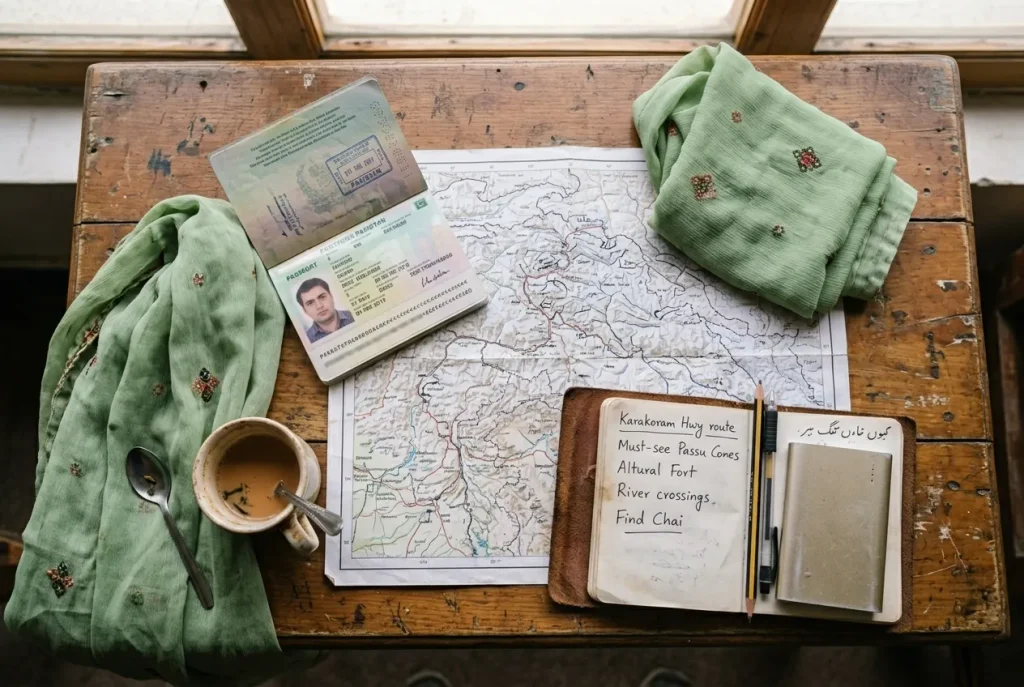
Best Places to Plan Your Solo Travel Website Research
For a trusted solo travel website or resource list, I’d bookmark:
- Your own government’s travel advisory page
- Pakistan’s official online visa portal
- r/ExplorePakistan on Reddit for recent, unfiltered trip reports
- Facebook groups for travelers in Pakistan
- Local tourism department pages for current road and season updates
Cross-check anything you read, including this guide, against the most recent source.
A Few Solo Travel Quotes to Take With You
- “Being alone isn’t the same as being lonely. Some of the best conversations happen with strangers.”
- “Plan the route, but leave room for the chai invitation.”
- “Fear is a bad guide, but a good checklist.”
Frequently Asked Questions
Is Pakistan safe for a solo female traveler?
On established routes like Hunza, Islamabad and Lahore, many women travel solo without serious problems. Expect attention and stares, dress modestly, and consider a guide or group for remote areas.
Which country is safest for solo travel?
It depends on the ranking, but countries like Iceland, Japan, Portugal and Switzerland regularly appear near the top of safety lists. Pakistan isn’t among them, though it’s manageable with planning.
Is Pakistan safe for tourists right now?
On the main tourist routes, generally yes, but conditions change by region and season. Check your government’s current travel advice and confirm road and weather updates locally before you go.
Which part of Pakistan is safest?
Hunza and Gilgit-Baltistan, Islamabad, and the main tourist circuits are the most comfortable for visitors. Avoid interior Balochistan and areas near the Afghan border.
Pakistan isn’t the easiest country to travel alone, and it isn’t the dangerous place headlines suggest. It sits in the middle, and it rewards people who prepare. Plan carefully, ask questions, and you’ll probably leave planning your return.
Want company, or help planning your route? Chalte Musafir offers solo-friendly packages and female-friendly group tours across Northern Pakistan. Message us your dates and we’ll help you choose.